Mtonga Village, Kilindi, Tanga Region, 25 November 2026
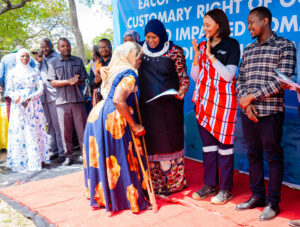
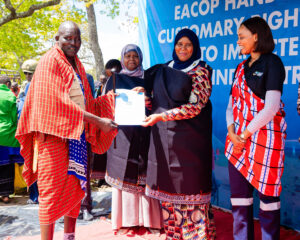
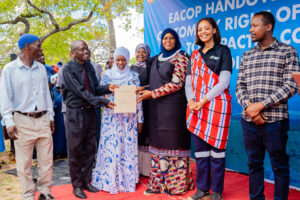
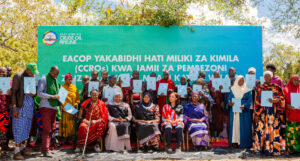
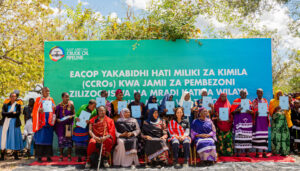
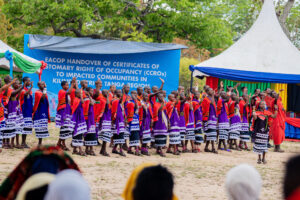
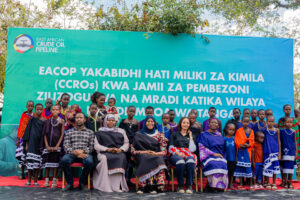
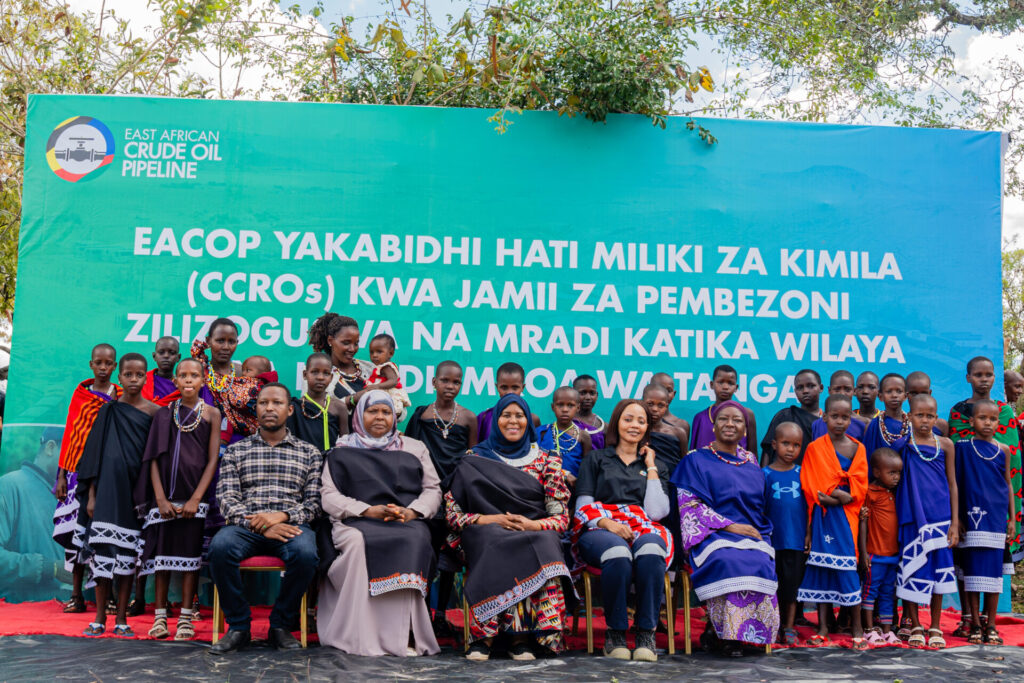
Hundreds of families in Kilindi District now hold legal proof that the land they live on and farm is theirs. Today, 350 Certificates of Customary Right of Occupancy (CCROs) were handed over to residents of Mtonga Village, including 89 certificates to women and three to people with special disabilities. Residents from neighbouring villages also attended to witness the ceremony.
The guest of honour, Tanga Regional Commissioner Ambassador Dr. Batilda Burian, presented the certificates. The Kilindi District Commissioner, Dr. Elifuraha Laltaika, EACOP’s Indigenous Peoples Advisor, and Head of Social Fatuma Msumi also attended. Evelyn Amasi, EACOP’s Government Relations Manager, represented the Managing Director.
“This has been a milestone and a very remarkable day for the vulnerable ethnic groups identified as indigenous people,” Evelyn said. She thanked everyone who made the day possible, including the consultant Paicodeo, the Ministry of Energy, TPDC, and the Ministry of Lands, Housing and Human Settlements Development. “This is a historic and remarkable day for the country and the beneficiaries.”
The exercise is part of EACOP’s work with marginalised communities, including the Maasai, Barbaig and Taturu. Land was one of the first priorities these communities asked EACOP to address, because disputes between pastoralists and farmers are common and legally recognised titles offer lasting protection.
“The process began in 2023 with identifying the communities’ challenges,” said Fatuma Msumi. “In 2026 the project, through its contractor, the NGO Paicodeo, started the work, beginning in Kilindi and then moving to Hanang, Kiteto and the remaining districts.” She said the exercise is ongoing, and that EACOP will make sure every title holder receives their title in their own village, so they and their children can benefit.
Speaking on behalf of the title recipients, Elizabeth Mwalabhu said she is overjoyed. “Before I got this title, I lived on my land but it wasn’t properly mine. Now I know my land is in my hands. Whether I am alive or not, my family will sign for it, and I know my land will not be lost.” She urged others to have their land measured. “Measuring land is not a cause of conflict. It is a catalyst for development.”