The construction of the EACOP began following the achievement of land acquisition in both Uganda and Tanzania. The first visible signs of construction include the construction of temporary facilities required prior to the main construction phase starting. These include the Coating Plant located at the pipeline’s midpoint in Sojo, and the 16 Main Camps and Piping Yards (MCPYs) located every 100 kms along the right of way.
The main construction sequence will comprise of:
1. Construction of the Pipeline
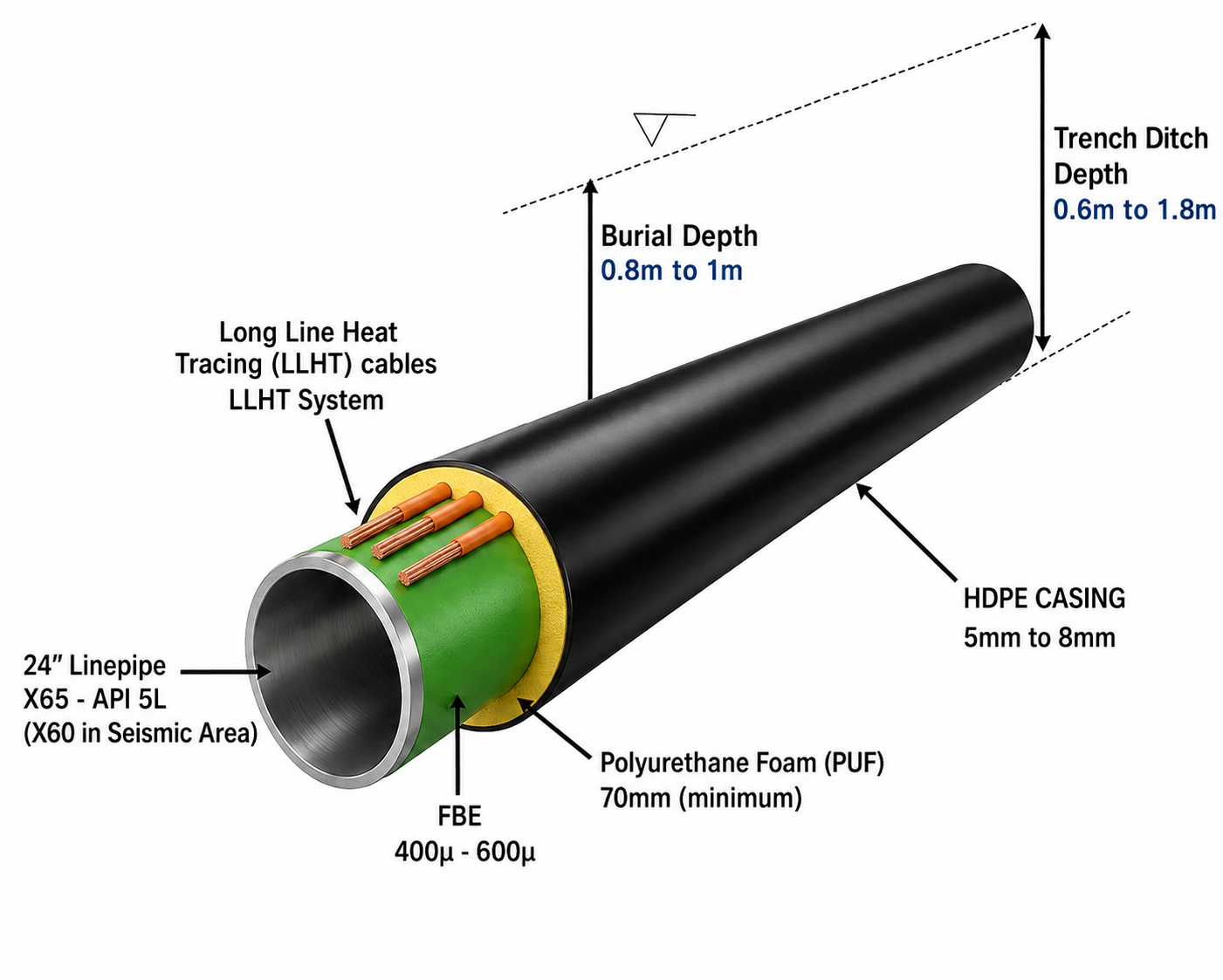
18-metre-long pipes are being transported from the coast to the Coating Yard in order to apply the thermal insulation and external protective coating. The insulated pipe will then be transported from the Coating Yard to the MCPYs.
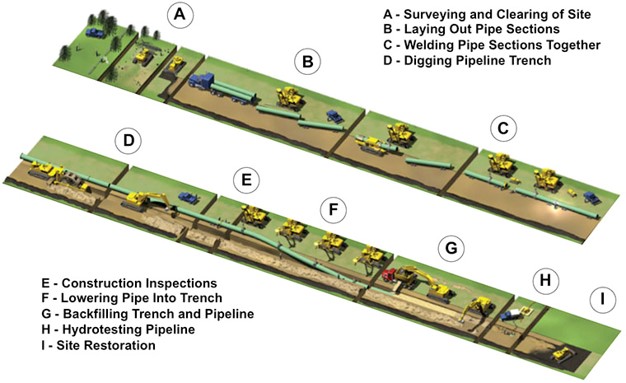
From the MCPYs the pipeline will then be strung out along the cleared right of way, and then the following sequence followed:
Right-of-way opening including clearing and topsoil storage.
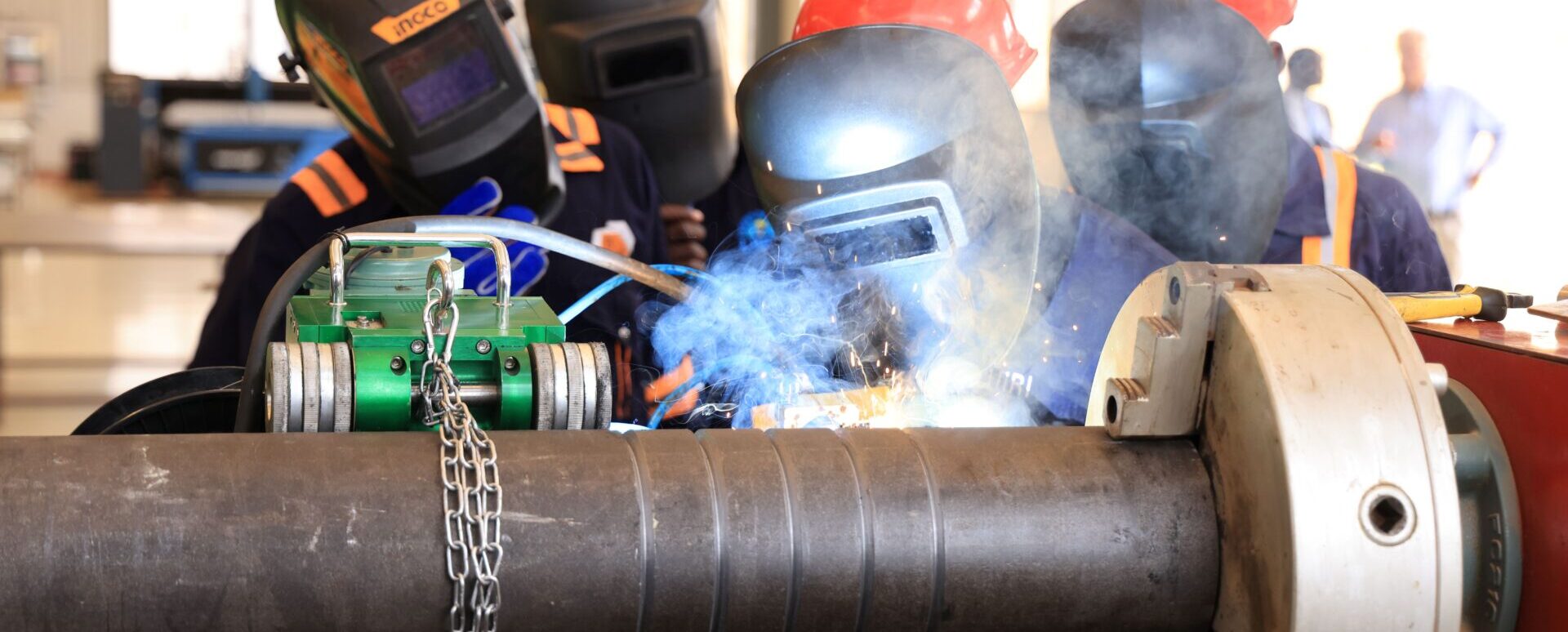
Stringing and welding of the pipeline.
In field final coating protection and insulation applied at the site of each weld.
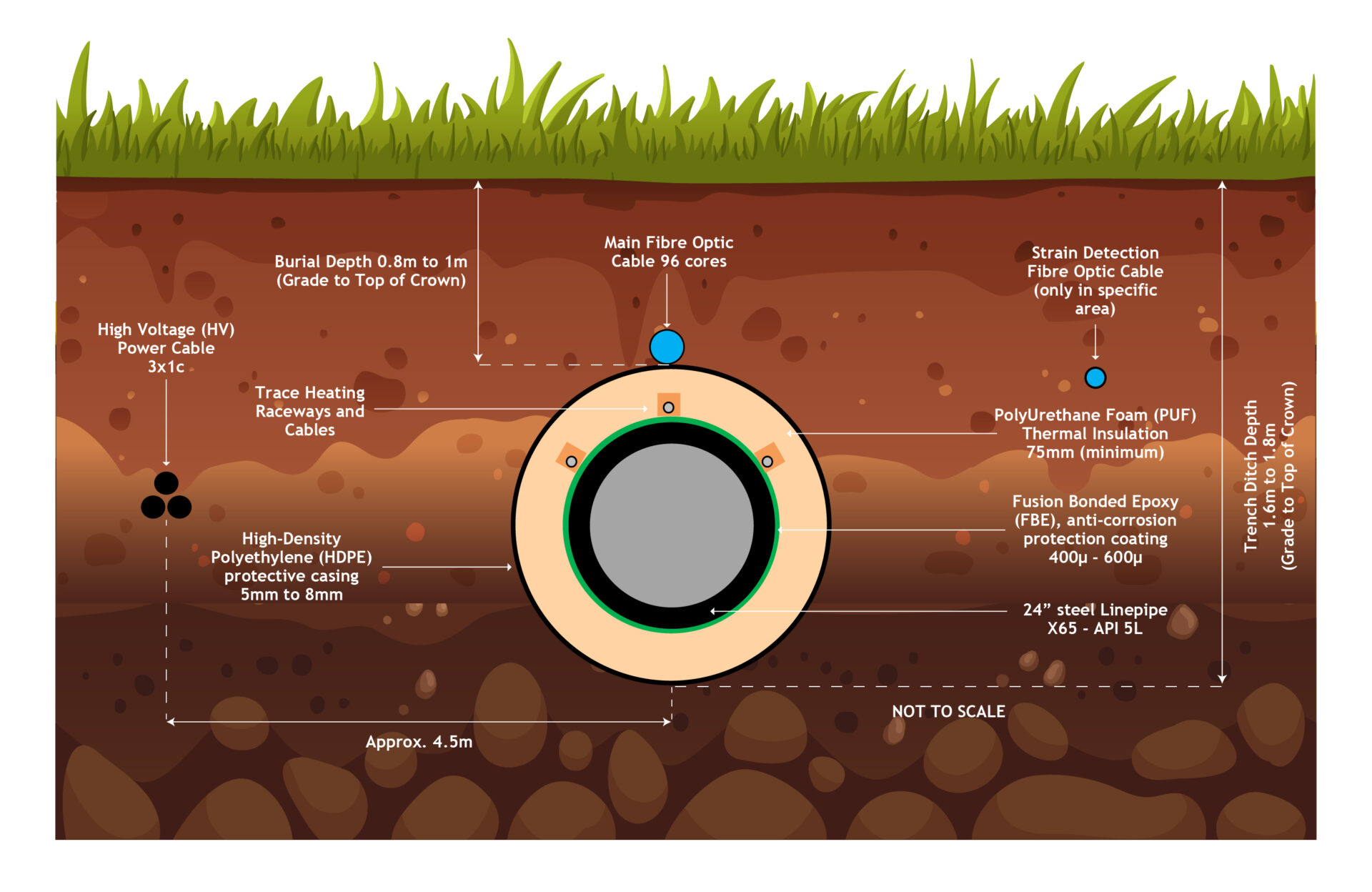
The welded pipeline will be lowered in a pre-dug trench. At some specific crossing, instead of trenching, auger boring will be used (to cross roads) or horizontal directional drilling will be used (to cross major rivers).
Fibre-optic cable laid on top of the buried pipeline.
High-voltage electrical cables will be buried in a separate trench along the right of way.
The trench will then be backfilled, the surface topsoil reinstated, and the surface vegetation restore.
2. Construction of the Above Ground Facilities
Above Ground Installations (AGIs) will also be built along the pipeline. These include;
Pumping Station 1 & Pumping Station 2 in Uganda.
Pumping Station 3, 4, 5 & 6 in Tanzania, including Power Generation in some of the pumping stations.
Pressure Release Station 1 & 2 in Tanzania (required to cope with hydrostatic pressure and in case of shutdown).
Other permanent facilities will be constructed, or work will be performed, such as;
Main Block Valves stations, required to limit the inventory, and isolate when require dedicated pipeline section. These stations are powered with Solar Energy. The valves are located underground.
Electric substations to manage the heating of the pipeline.
New or upgraded permanent access roads.
3. Construction of the Marine Terminal and the Jetty
The Marine Tanks Terminal (MTT) is an Above Ground Installation (AGI). The crude oil, transported by the pipeline will be stored in the Terminal, located on Chongoleani Peninsula in Tanga bay, in 4 tanks of 500,000 bbl. each. The Crude Oil will be exported via a 2 km long jetty where Tankers can safely be moored and access with sufficient water depth.
4. Grid connection and Solar Farm
EACOP will connect to the grid to reduce its Power Generation CO2 emissions, avoiding to use its Power Generation engines that will only serve as back-up support in case of prolonged outage from the grid. Series of large-sized batteries will be installed at each AGI and at the Terminal location in order to deliver EACOP with a stable source of electrical power when connected to the grid.
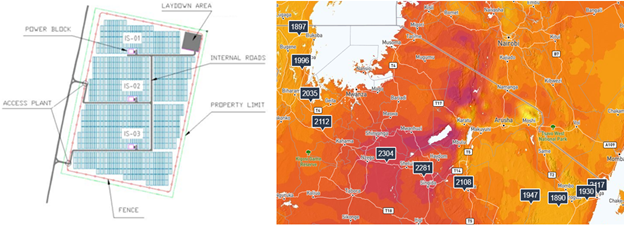
A Photovoltaic Farm will be located at the Marine & Storage Terminal, to supplement EACOP grid connection and further reduce its CO2 emissions.
This documentary follows one of the most demanding stages of the EACOP journey; the transport of insulated line pipes from the TIS plant to MCPY14.
It’s a journey that pushes both man and machine to their limits, crossing rugged terrain and remote landscapes to keep the project moving forward, one insulated pipeline at a time!