Kampala, 2 October 2026.
China Petroleum Pipeline Engineering Co., Ltd. (CPP), a Tier One Contractor to the East African Crude Oil Pipeline (EACOP) Project, has concluded an integrated skills development programme in Non-Destructive Testing (NDT) and occupational health and safety through the National Examination Board in Occupational Safety and Health (NEBOSH).
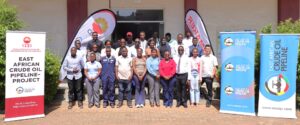
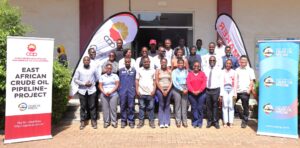
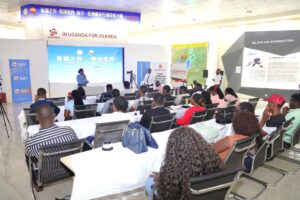
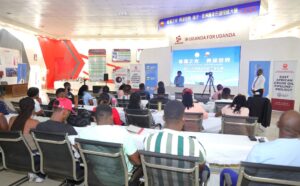
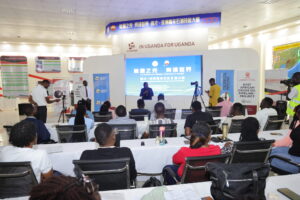
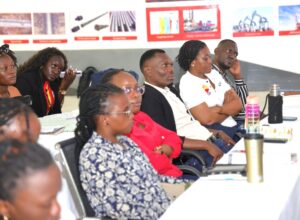
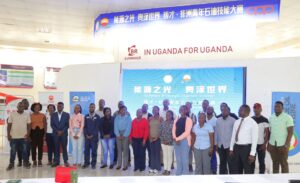
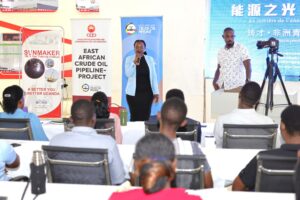
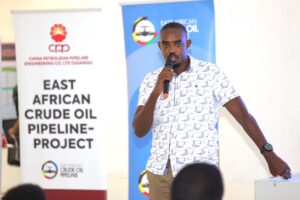
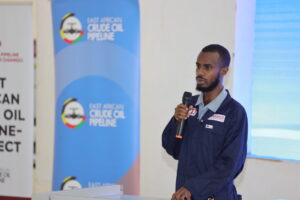
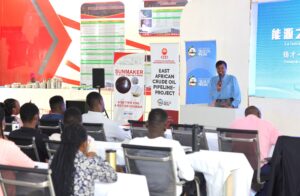
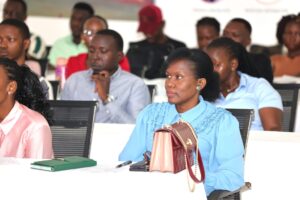
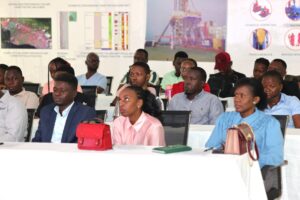
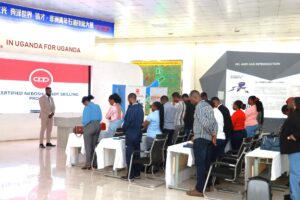
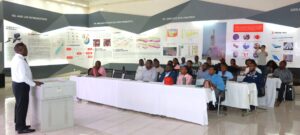
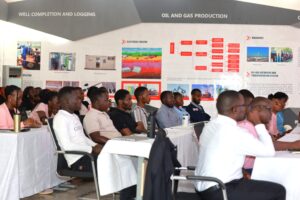
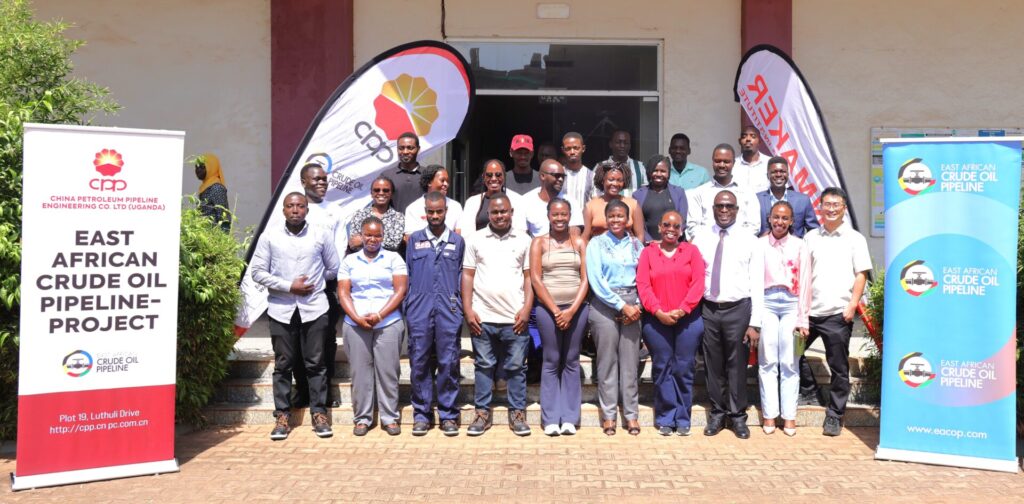
The closing ceremony was held at Sunmaker Oil & Gas Training Institute in Bugolobi, Kampala, bringing together representatives from China Petroleum Pipeline Engineering Co., Ltd., EACOP, the Petroleum Authority of Uganda (PAU), Sunmaker Oil & Gas Training Institute and the trainees to mark the successful completion of the specialised training programme.
The programme was designed to equip Ugandan employees with specialised technical and occupational health and safety skills aligned with internationally recognised standards applicable to the oil and gas industry and related sectors. It targeted employees working on the EACOP Project under China Petroleum Pipeline Engineering Co., Ltd., as well as its partners and subcontractors.
A total of 20 participants completed the programme, with 10 undertaking NEBOSH training and 10 undertaking NDT training. The NEBOSH training was delivered over 20 days, while the NDT programme ran for 30 days. The NDT training also supported the trainees’ pathway towards international certification under the American Society for Nondestructive Testing (ASNT).
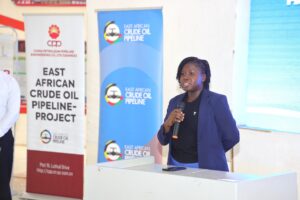
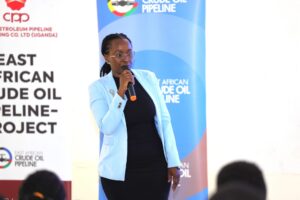
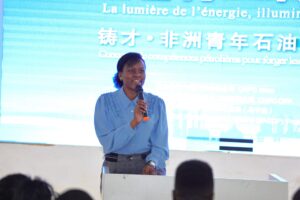
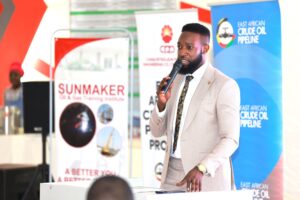
Speaking at the ceremony, Merian Ahabwe, EACOP National Content Lead, congratulated the trainees on successfully completing the programme and commended China Petroleum Pipeline Engineering Co., Ltd. (CPP) and Sunmaker Oil & Gas Training Institute for their contribution to developing specialised skills among Ugandan workers. She emphasised the importance of equipping Ugandans with the technical competencies needed to participate effectively in Uganda’s oil and gas industry, noting that specialised training in areas such as Non-Destructive Testing (NDT) and occupational health and safety is essential to building a competent workforce capable of meeting the industry’s technical, safety and quality requirements. Ahabwe encouraged the graduates to apply the knowledge and skills acquired through the programme with professionalism and discipline, while continuing to strengthen their competencies through ongoing learning and professional development. She also highlighted the long-term value of skills development under the EACOP Project, noting that the knowledge, practical experience and professional qualifications gained by Ugandan workers can contribute to strengthening the country’s oil and gas workforce beyond the project.
For the 20 participants, completion of the programme marks an important milestone in acquiring specialised competencies relevant to their current responsibilities and future careers in the oil and gas industry.
The training programme contributes to broader efforts to strengthen Uganda’s local skills base and increase access to specialised technical and occupational health and safety competencies within the country’s oil and gas sector.