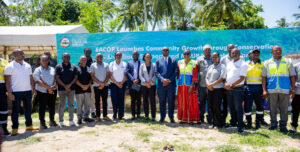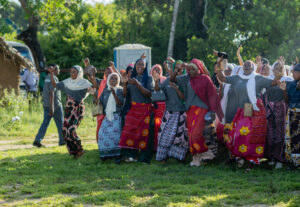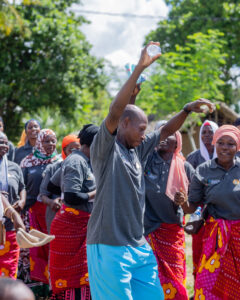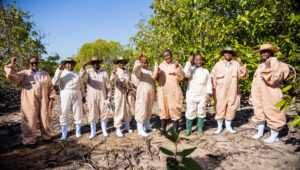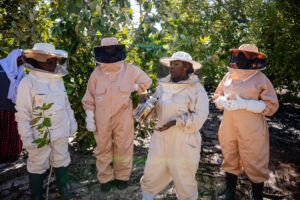
The East African Crude Oil Pipeline (EACOP), through MWAMBAO Coastal Community Network Tanzania its Biodiversity and Livelihood Contractor today marked a significant milestone in coastal community empowerment with the disbursement of funds to communities within the MCHOMAPUNDA (Mpirani, Chongoleani, Mabokweni, Putini and Ndaoya) Coastal Area in Tanga City.
The funds have been distributed to 16 MKUBA community groups comprising a total of 480 members from Chongoleani and Putini Mitaa. Each group has received the funds through direct bank transfers, reinforcing transparency and financial inclusion while supporting grassroots development initiatives.
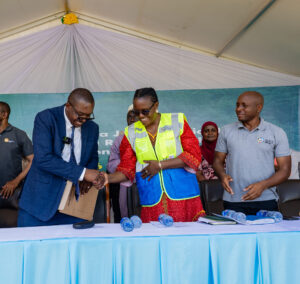
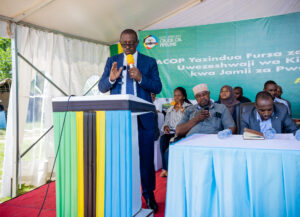
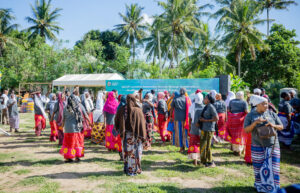
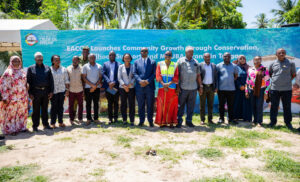
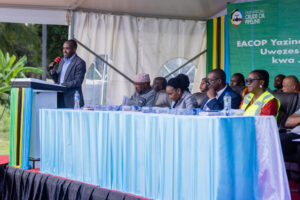
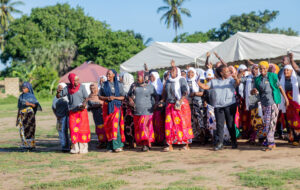
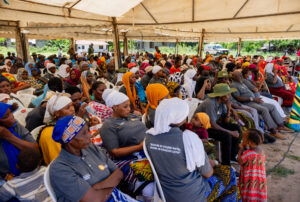
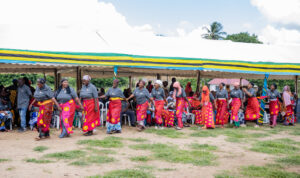
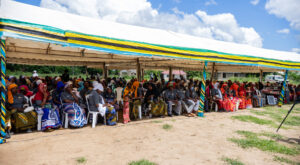
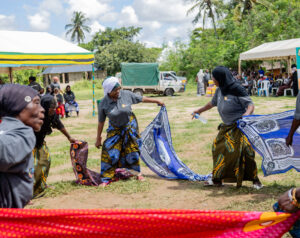
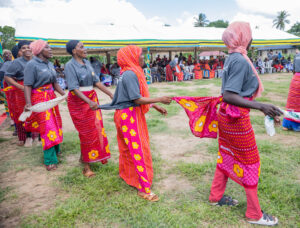
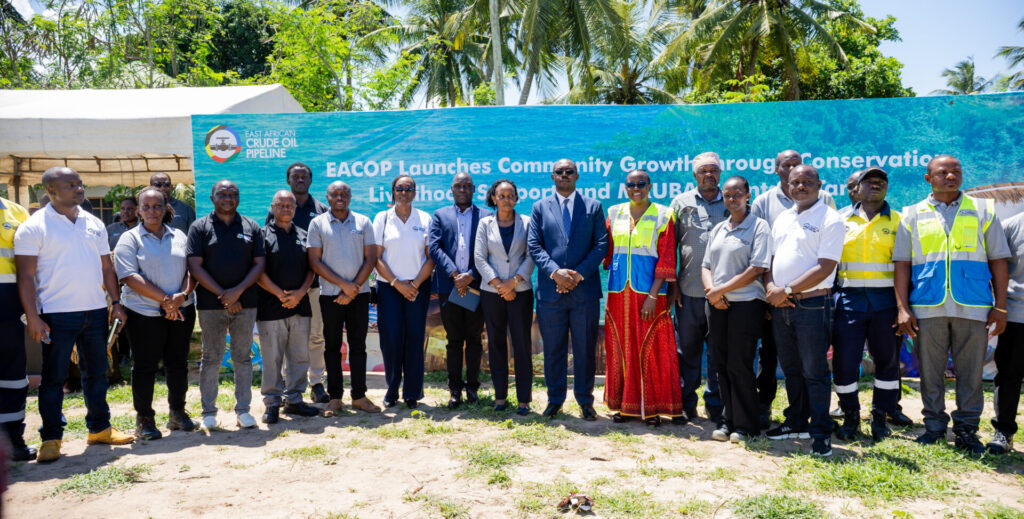
The ceremonial grant handover took place on 15th April, 2026 at the Putini Mtaa grounds, officiated by the Tanga District Commissioner as Guest of Honour who was aaccompanied by the District Administrative Secretary (DAS) and Regional Focal Person as well as other government officials. The TPDC official also attended representing the Ministry of Energy. Representatives from EACOP and MWAMBAO, as well as members of the beneficiary communities also attended the event.
This initiative forms part of the EACOP-funded project titled “Biodiversity Offsetting and Livelihood Restoration for Communities of the Mchomapunda Community Fisheries Management Area,” a 4.5-year programme launched on 1 May 2024. The project is designed to deliver long-term environmental sustainability while strengthening economic resilience among coastal populations.
Speaking during the event, Rosie Birungi, Social Performance Manager – EACOP emphasized the broader vision behind the initiative: “This grant ceremony is not just about financial support it reflects a deeper commitment to building trust, fostering collaboration, and enabling sustainable livelihoods. EACOP remains dedicated to delivering tangible, long-term value to communities along the pipeline corridor, going beyond compliance to create meaningful impact.”
The programme is being implemented exclusively by MWAMBAO, focusing on four key pillars: coral reef restoration, mangrove rehabilitation, the MKUBA Eco-credit programme for sustainable marine conservation, and livelihood enhancement through diversification of income-generating activities.
The Chief Executive Officer of MWAMBAO highlighted the transformational nature of the initiative:
“We are proud to witness this important milestone. These grants represent more than financial assistance they signal the start of a transformative journey where communities take ownership of their marine ecosystems. By linking conservation with economic opportunity, we are enabling sustainable development that will benefit both present and future generations.”
The MKUBA Eco-credit programme is a central component of the initiative, designed to incentivize active community participation in biodiversity conservation. Through measurable conservation actions, participating groups earn eco-credits that translate into sustainable income streams, thereby reducing pressure on marine resources and promoting responsible environmental stewardship.
The Government of Tanzania, represented by district leadership in Tanga, has strongly endorsed the programme as a model aligned with the country’s Blue Economy agenda and long-term marine conservation strategies.
Speaking at the event, the Tanga District Commissioner commended the initiative, noting its alignment with national development priorities: “This programme reflects the Government’s commitment to empowering communities while safeguarding our natural resources. The integration of livelihood support with environmental conservation is fully aligned with our Blue Economy agenda. We commend EACOP and MWAMBAO for their partnership and for delivering tangible benefits to the people of Tanga. Initiatives such as this set a strong example of how development projects can create shared value for both communities and the environment.”
As implementation progresses, the initiative is expected to serve as a scalable model for community driven conservation and inclusive economic growth across Tanzania’s coastal regions.