Hoima District, Uganda | 25 September 2026
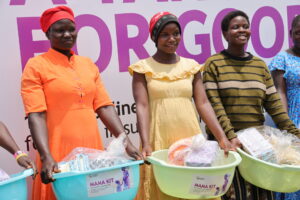
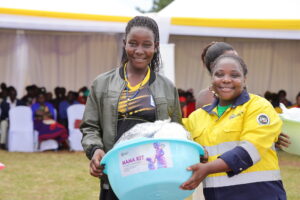
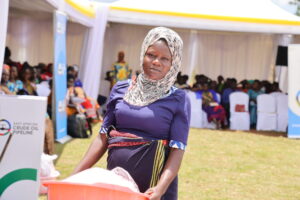
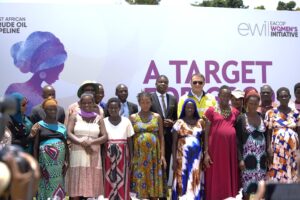
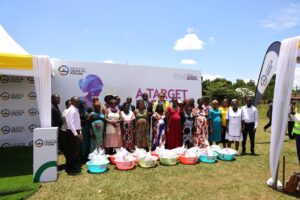
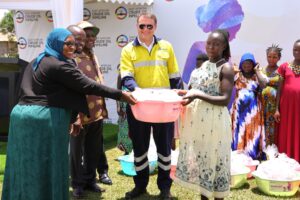
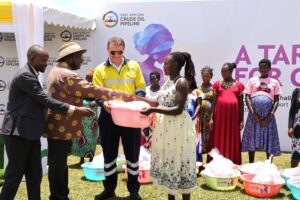
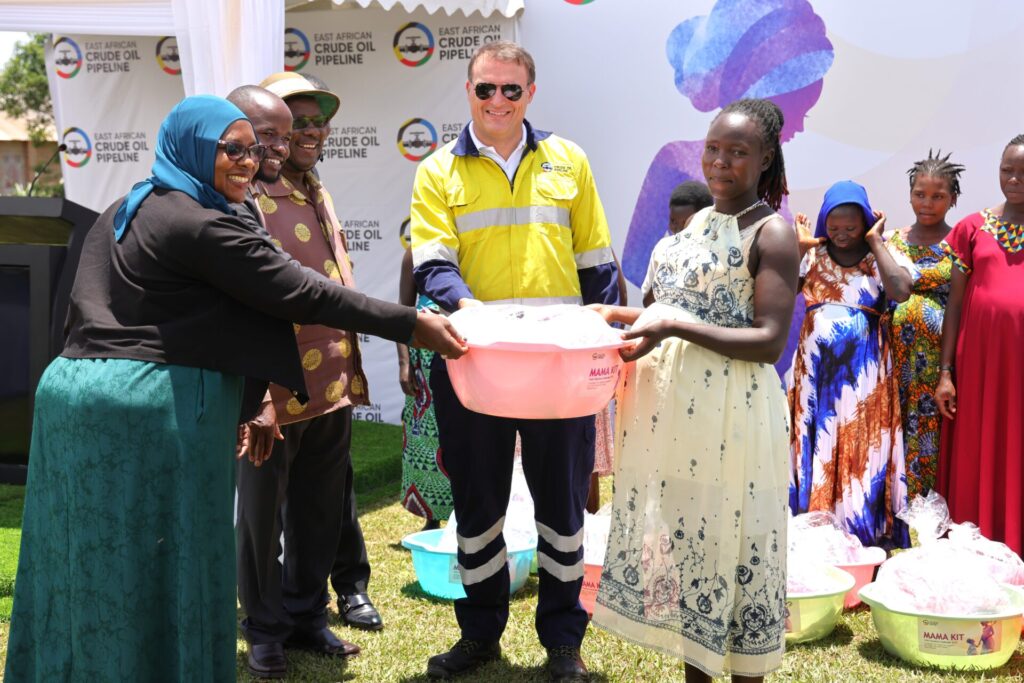
East African Crude Oil Pipeline (EACOP) Ltd. has handed over 200 Mama kits to support mothers and newborns in Hoima District.
Each Mama kit contains essential supplies used during childbirth, including cotton wool, plastic sheets, gloves, surgical blades, gauze, and cord ligatures as well as additional items including plastic basins, baby soap, baby bedsheets, and a baby blanket.
The donation originated from the commemoration of this year’s International Women’s Day, “Give to Gain” initiative and was further supported through the company’s, 1443 Pipeline Challenge, 2026.
The challenge encouraged employees to commit to walk or run a minimum of 100 kilometres each, transforming personal fitness milestones into a contribution towards community wellbeing.
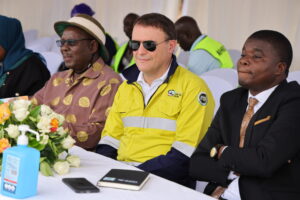
Speaking during the site inspection and official launch event, EACOP’s Managing Director, Guillaume Dulout, emphasized the transformative nature of the project: “We are not merely inspecting the ongoing construction of a new building, but opening doors to safer motherhood, improved healthcare outcomes, and renewed hope for thousands of families in this region who previously faced difficulties in accessing maternal health services. For many expectant mothers, access to quality maternal healthcare has often been limited by distance, inadequate facilities, and a shortage of specialized services. This new facility will help address these challenges by bringing critical maternal and surgical services closer to the people who need them most.”
The Mama kits are part of EACOP’s Socio-Economic Investment Programme under the Community Health and Safety pillar, which focuses on targeted interventions that respond to community needs.
The initiative also contributes to Sustainable Development Goal 3 (SDG 3) by supporting efforts to improve maternal and newborn health and reduce preventable deaths.
Through initiatives such as the Mama kit donation, EACOP employees continue to contribute to community-focused interventions that extend beyond the workplace and support communities along the pipeline corridor.