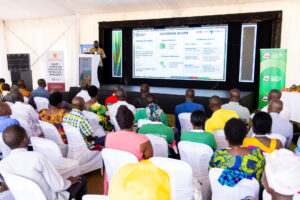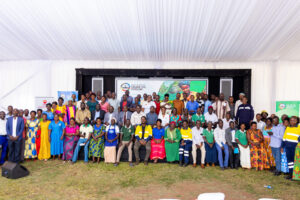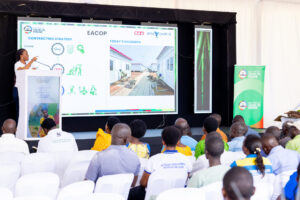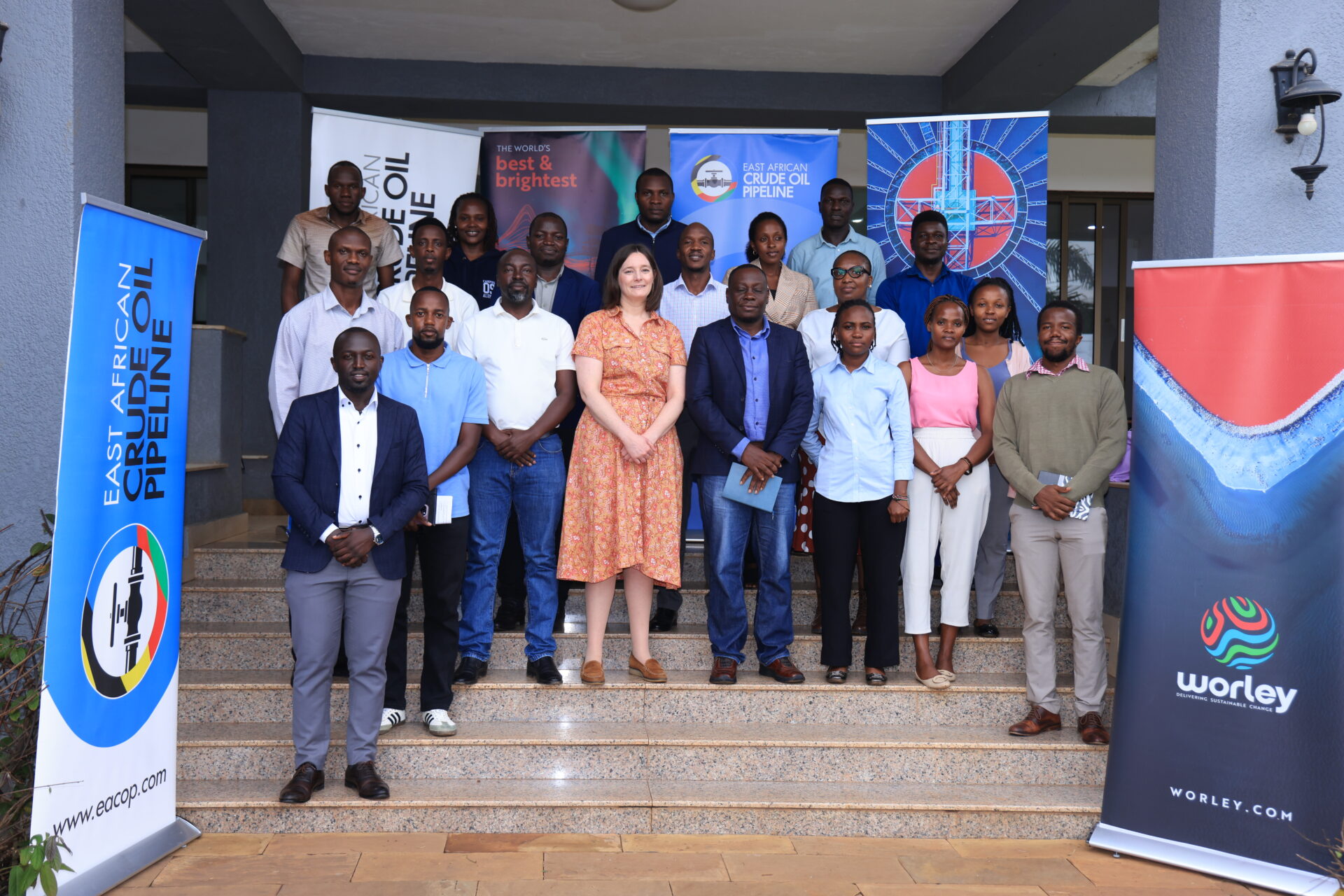
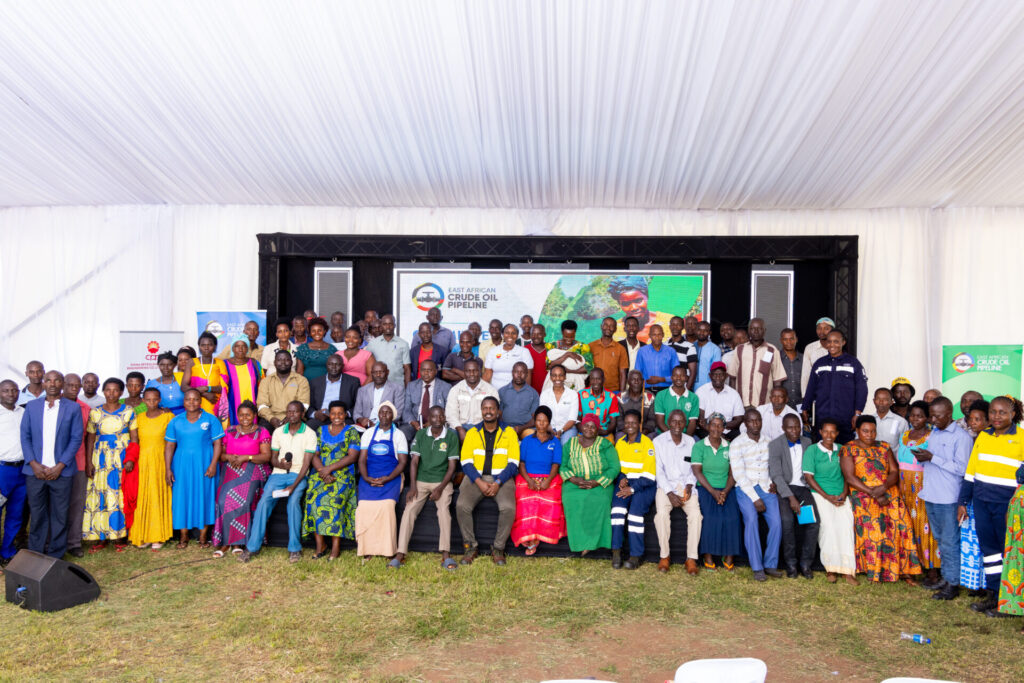
On 18th September 2025, the East African Crude Oil Pipeline (EACOP), successfully conducted a Community Engagement event in Katikara Subcounty, Kakumiro District.
The event sought to inform the local community about upcoming opportunities related to the facilitation and maintenance of the Main Camp and Pipe Yard 1 (MCPY1). A total of 102 participants attended, including representatives from 20 Farmers’ Associations across Kakumiro District.
Presentations led by Krystal Concept Ltd highlighted: Food supply requirements and industry standards, recruitment opportunities, Training and capacity-building initiatives for local farmers.
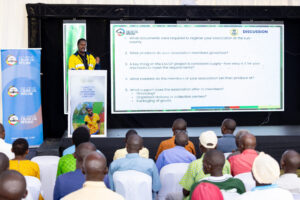
An interactive Q&A session enabled community members to raise key issues such as:
- Documentation needed to register associations at the sub-county level,
- Types of agricultural products produced by association members,
- Capacity to consistently meet project supply standards,
- Current markets for agricultural produce,
- Support mechanisms offered within associations, including financing, logistics, and packaging.
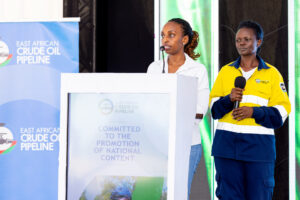
Speaking at the event, Natasha Kasami, EACOP National Content Lead, said: “Our goal is to ensure that communities like Kakumiro are not just informed, but actively involved in the opportunities that EACOP creates. By working closely with farmers and associations, we are building capacity, strengthening supply chains, and creating pathways for long-term socio-economic growth.”
The event was graced by senior district officials, including Resident District Commissioner (RDC) Mr. Kibuuka Francis, Chief Administrative Officer (CAO) Mr. Joram Ssali Sekitoleko, and District Production Officer (DPO) Mr. Sserumaga Stephen. In his remarks, the RDC emphasized the project’s unique potential to improve livelihoods in Kakumiro. He encouraged farmers to actively seize the opportunities presented by EACOP and its contractors.
This engagement reinforced EACOP’s commitment to creating open dialogue, supporting local economic participation, and ensuring the benefits of the project are shared with host communities.