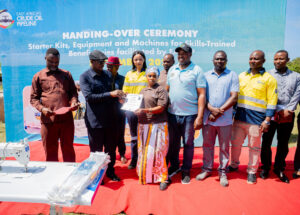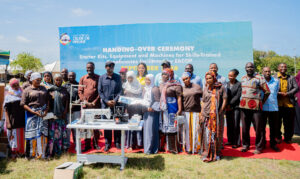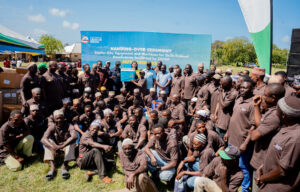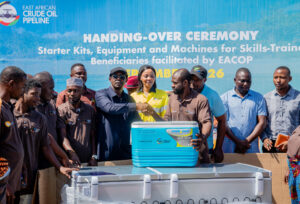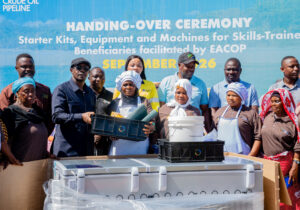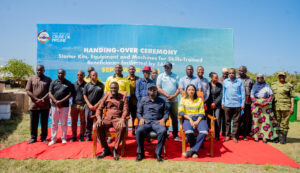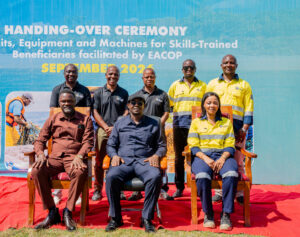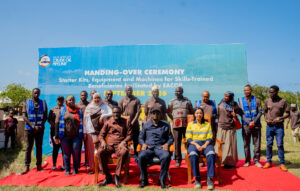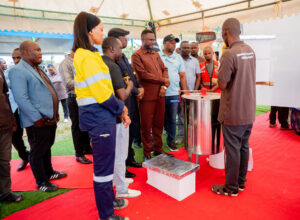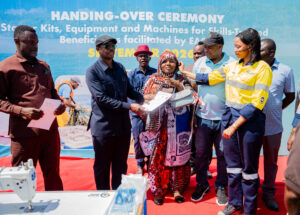
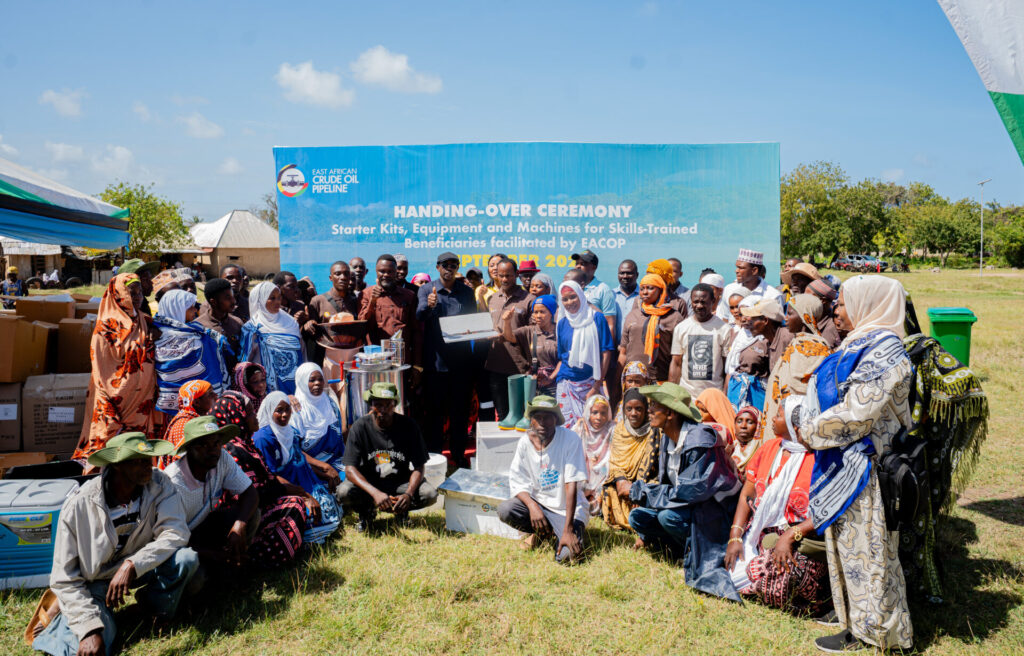
The East African Crude Oil Pipeline (EACOP) Project has handed over livelihood restoration equipment to communities whose livelihoods have been impacted by EACOP activities along the Chongoleani Peninsula in Tanga Region.
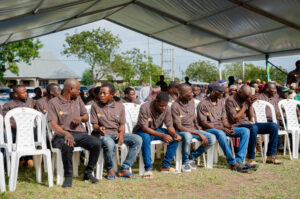
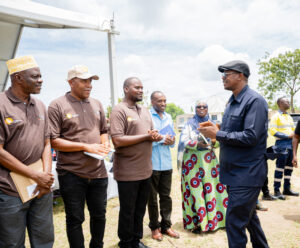
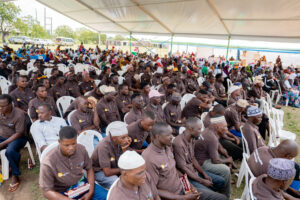
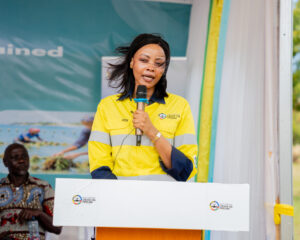
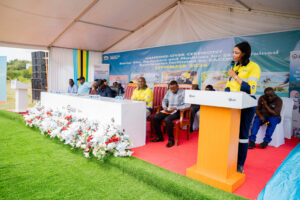
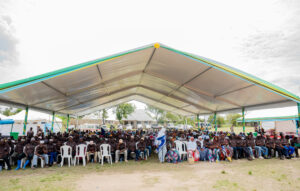
The handover ceremony, held at the Chongoleani Ward grounds, brought together approximately 700 attendees, including livelihood restoration beneficiaries, community members, local government authorities, EACOP representatives and other stakeholders. The Tanga District Commissioner, representing the Regional Commissioner for Tanga Region, was the Guest of Honour at the event. EACOP was represented by the Government Relations Manager, together with members of the Social Performance and Livelihood team.
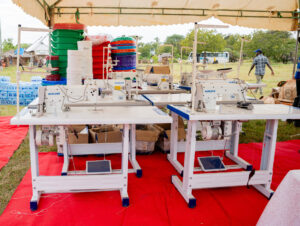
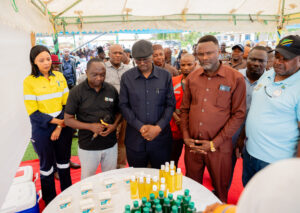
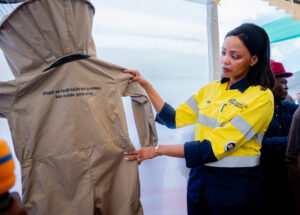
The support package includes 200 beehives, 169 cool boxes and 20 chest freezers for traders and processors participating in the fishing value chain. It also includes starter kits for 20 carpenters and 20 tailors, who are being supported to produce beekeeping personal protective equipment (PPE) and beehives for mangrove honey and seaweed farming.
The equipment is intended to support affected communities in restoring and strengthening their livelihoods through a range of income-generating activities, including beekeeping, fishing and related value-chain businesses, as well as skills-based enterprises.
The support forms part of EACOP’s livelihood restoration programme, which aims to support communities affected by project activities to re-establish and strengthen their income-generating activities.
Through the equipment and skills provided, beneficiaries will be able to apply their training and participate more effectively in local economic activities and value chains. The initiative also contributes to the development of local enterprises linked to mangrove honey, seaweed and fisheries.
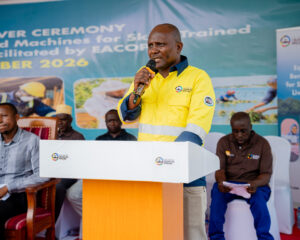
Speaking at the event, the Guest of Honour commended EACOP for its continued commitment to supporting communities in the Chongoleani Peninsula through various livelihood interventions. He noted that the interventions are demonstrating positive outcomes and contributing to improved livelihoods and economic opportunities for communities in the area.
He further emphasised the importance of continued collaboration between EACOP, government authorities, community leaders and beneficiaries to ensure that livelihood restoration initiatives achieve their intended objectives and generate sustainable benefits for the communities.
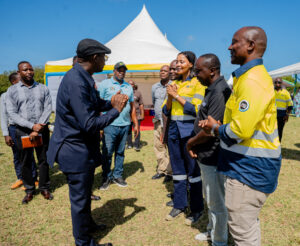
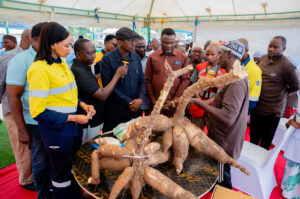
The event provided an opportunity for EACOP, government authorities and community stakeholders to engage directly with beneficiaries and reaffirm the importance of continued collaboration in implementing livelihood restoration activities.
EACOP representatives also emphasised the importance of working closely with affected communities, local government authorities and other stakeholders to support the effective implementation of livelihood restoration commitments and enable beneficiaries to make productive use of the assets provided.
The handover marks a further step in the implementation of EACOP’s livelihood restoration commitments along the Chongoleani Peninsula. EACOP will continue working with government authorities, communities and beneficiaries to monitor the progress of livelihood restoration activities and support the productive and sustainable use of the assets provided.
The initiative reflects EACOP’s continued engagement with communities along the Chongoleani Peninsula and its efforts to support livelihood restoration through practical interventions, skills development and support to local economic activities.