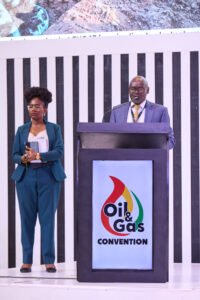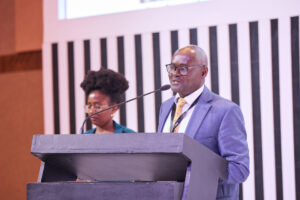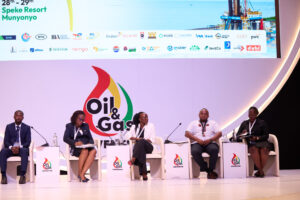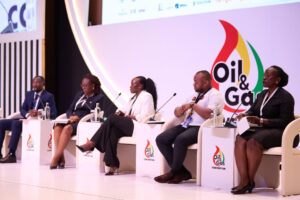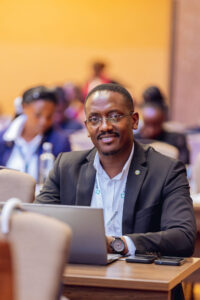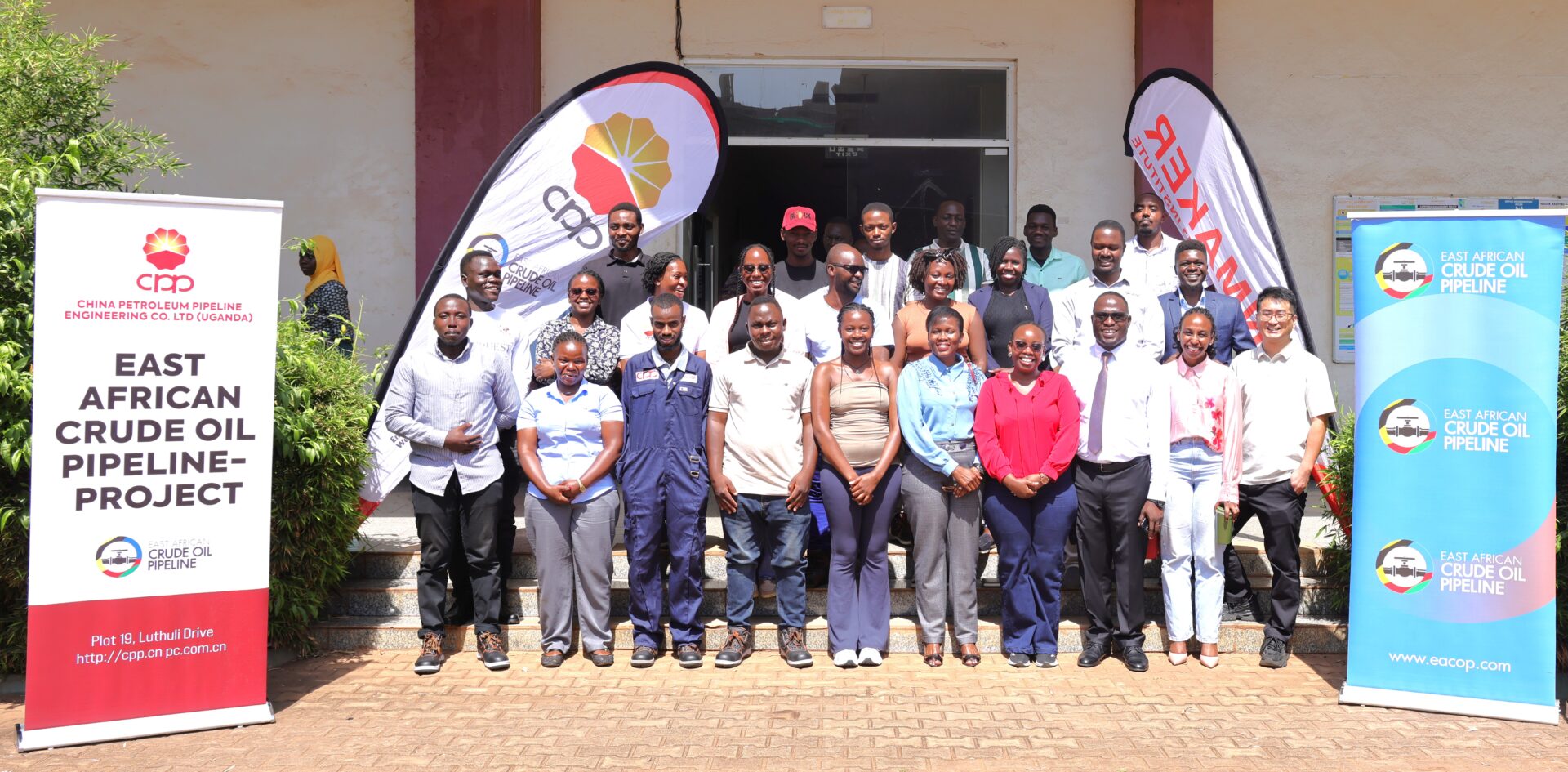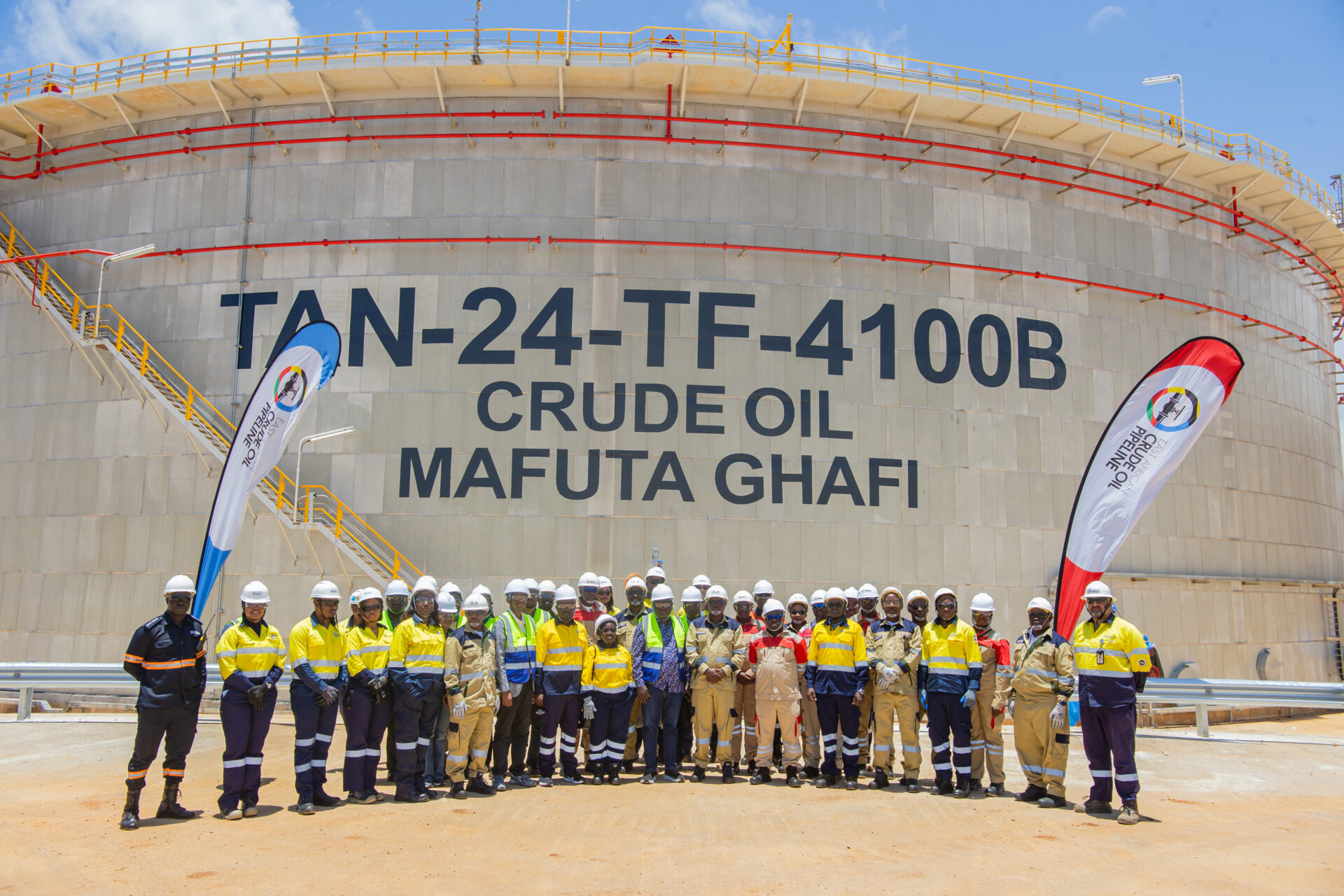
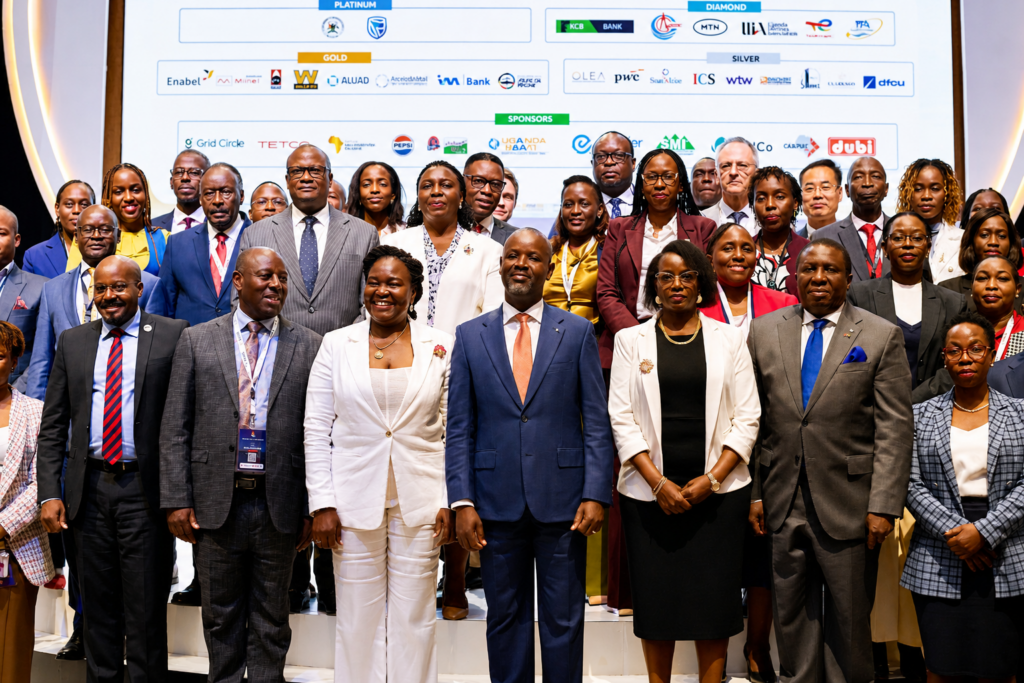
The East African Crude Oil Pipeline (EACOP) proudly participated in the 11th Annual Oil and Gas Convention organised by the Uganda Chamber of Energy and Minerals (UCEM) at Speke Resort Munyonyo from 28th – 29th April under the theme “First Oil: Fulfilling the Promise, Forging the Future.” The convention brought together government leaders, regulators, and industry players to reflect on progress in Uganda’s oil and gas sector and the journey towards first oil.
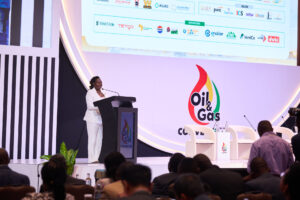
The discussions highlighted a clear shift from infrastructure development to operational readiness and long term value creation. The Minister of Energy and Mineral Development, Hon. Dr Canon Ruth Nankabirwa, emphasised that EACOP goes beyond infrastructure, describing it as a key driver of national development and economic transformation. She noted that Uganda’s oil strategy is aimed at using the sector as a catalyst for wider infrastructure growth and sustainable economic advancement, adding that first oil should be seen as the start of a broader development journey rather than an end goal.
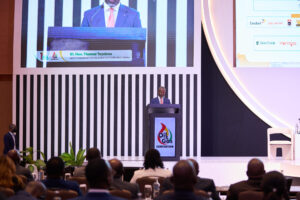
The Deputy Speaker of Parliament, Rt Hon Thomas Tayebwa, reinforced this message, noting that the petroleum sector will play a significant role in expanding Uganda’s economy by a tenth fold. He observed that the country is transitioning from constructing infrastructure to operating it, where real value will be realised, and encouraged the private sector to position itself for the opportunities ahead.
On project progress, our Deputy Managing Director John Bosco Habumugisha shared that the project is now approximately 84% complete. He noted that over 12,000 workers are currently deployed across all sites contributing to more than 14 million man hours with 90% of the workforce in Uganda being Ugandans. On environmental efforts, he added that EACOP has so far planted 130,000 trees, with an additional 500 acres provided by the Bunyoro Kingdom dedicated to further tree planning initiatives.
EACOP also emphasised its commitment to responsible project delivery through stakeholder engagement. Project Induced In Migration and Human Rights Manager Barbara Nakayenze noted that grievance management is not only about resolving concerns but also about strengthening accountability and continuous learning. She explained that early identification of issues helps improve prevention measures and enhances oversight across operations, while also building trust with affected communities.
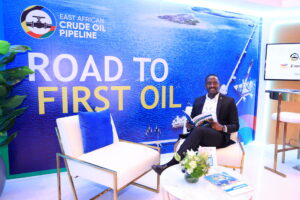
In addition to participating in the discussions, EACOP hosted an exhibition booth at the convention, which served as a key point of engagement with stakeholders. The booth provided an opportunity for delegates to learn more about the project’s progress, its socio-economic contributions, and ongoing environmental and community initiatives. It also enabled direct interaction with EACOP representatives.
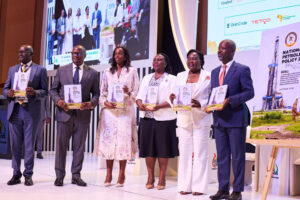
During the event, the Petroleum Authority of Uganda (PAU) launched the National Petroleum Policy 2025, a strategic framework designed to guide Uganda’s petroleum sector into the production phase with a strong emphasis on sustainable resource management, value creation, and delivering long-term national benefits as the country approaches first oil.
As the project nears commissioning and First Oil, EACOP remains committed to transparency, environmental stewardship, local economic growth, and delivering long-term value for all stakeholders.