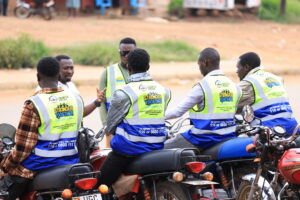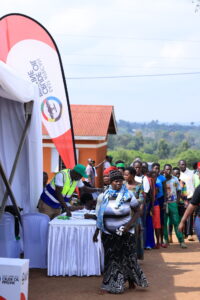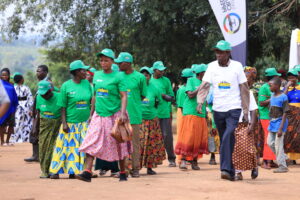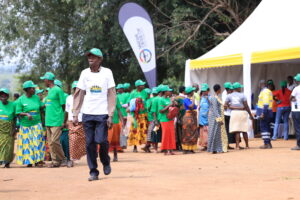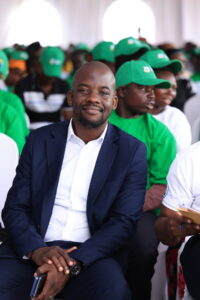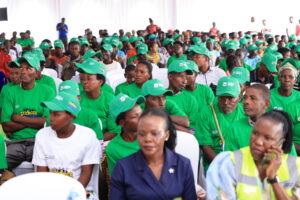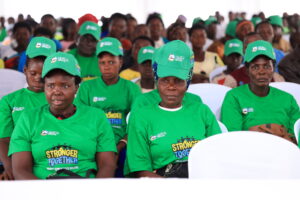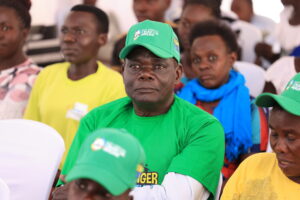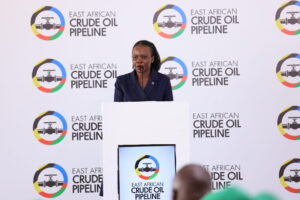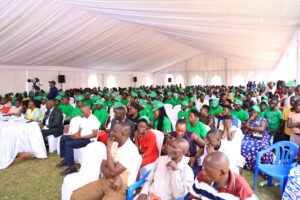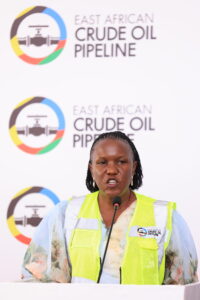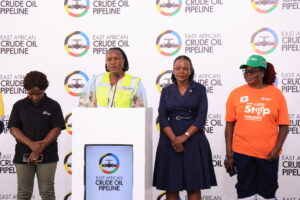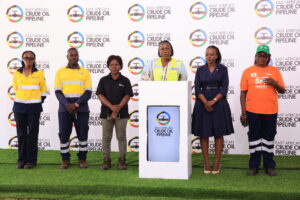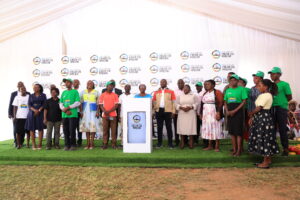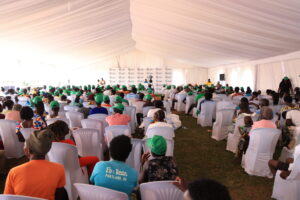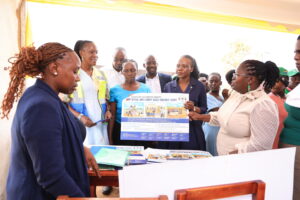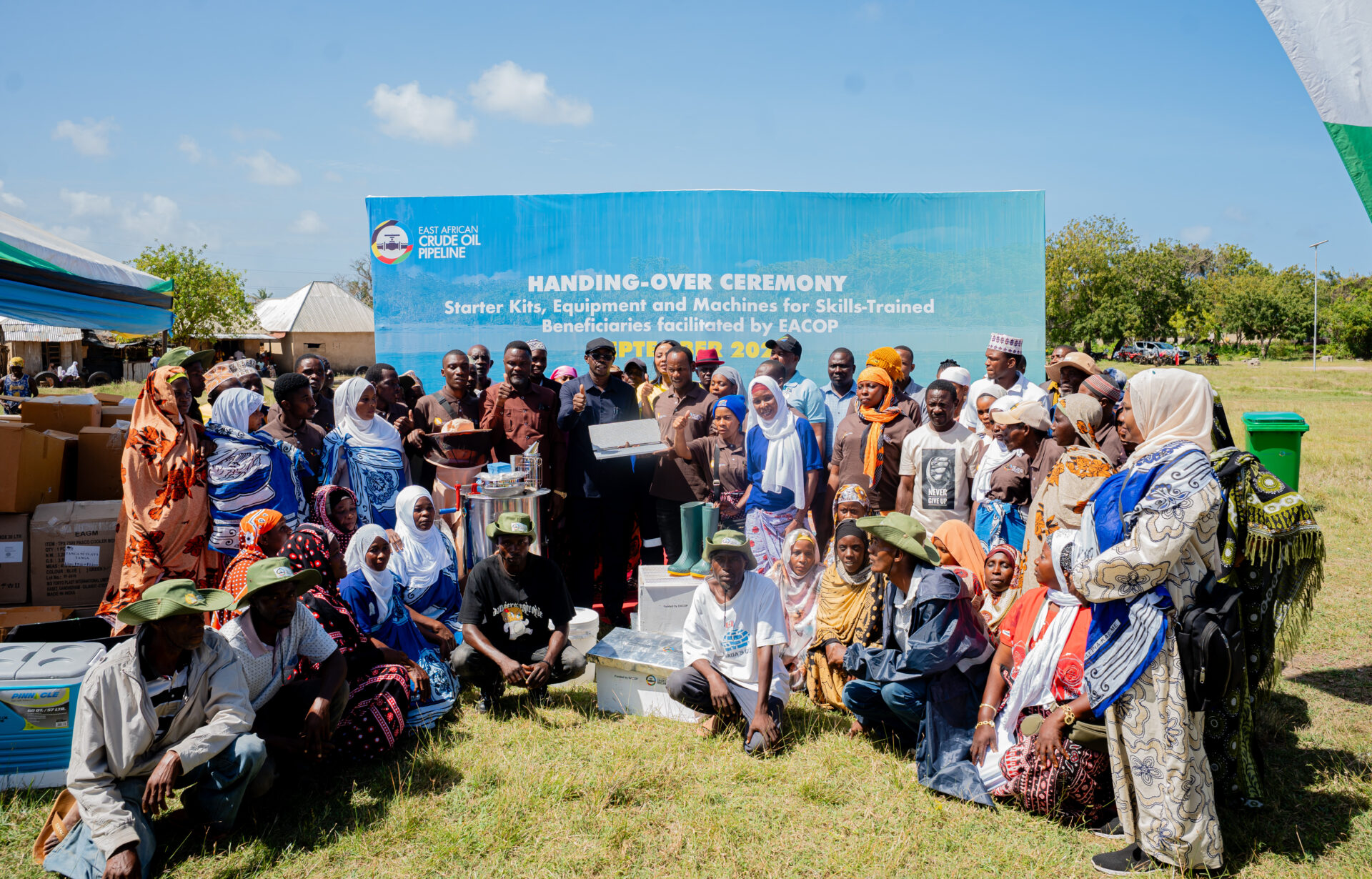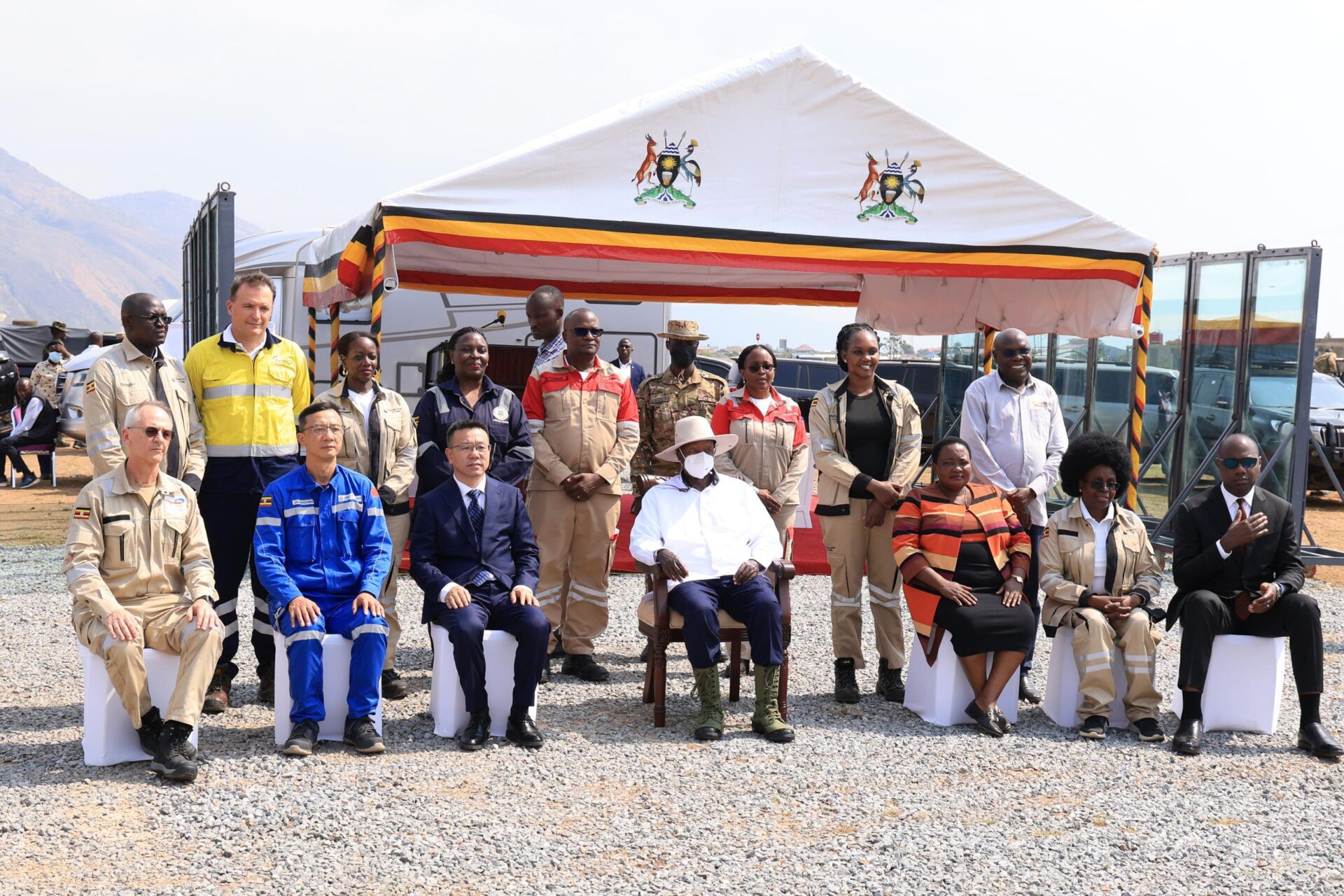
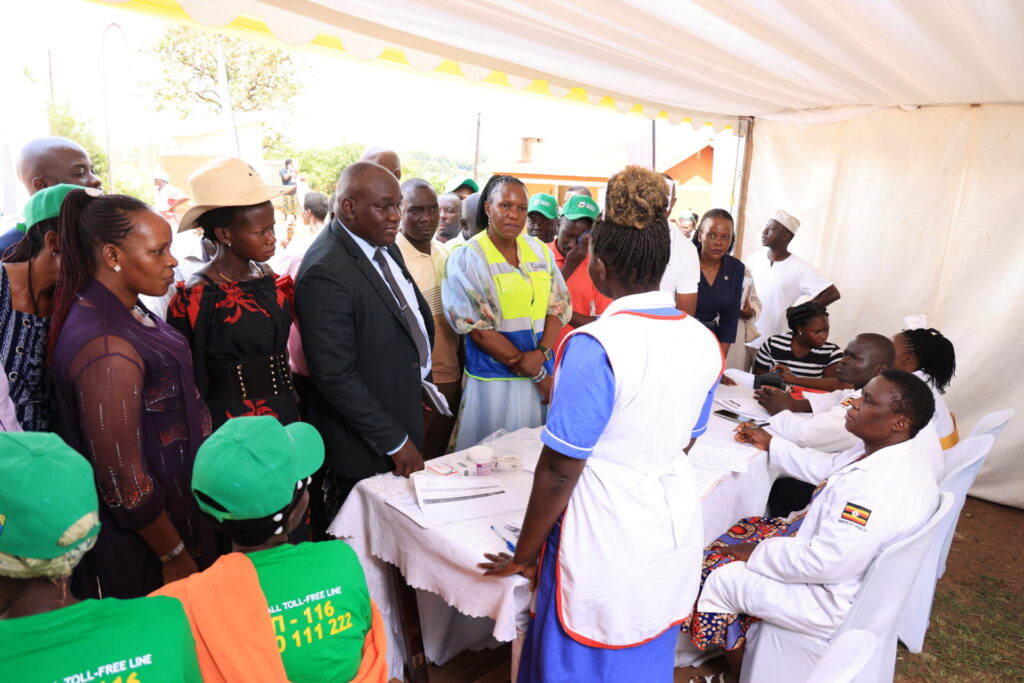
On 5th September 2025, EACOP launched a major campaign at Kabaale Primary School in Hoima District to tackle Gender-Based Violence (GBV) and promote Sexual and Reproductive Health (SRHR) in communities along the pipeline route. The event brought together government officials, district leaders, civil society organizations, and local community members, reflecting the importance of collective action.
The campaign was developed in partnership with Health Promotion International (HPI) and is based on findings from a study carried out in five Ugandan districts. The study showed that GBV remains a major challenge, often linked to poverty, harmful cultural norms, and practices such as polygamy. Women and children were identified as the most affected groups.
In response, EACOP has introduced a series of activities that combine education, awareness, and service delivery. These include:
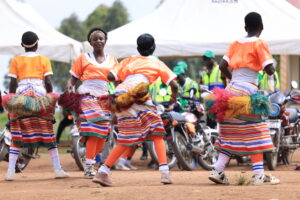
- Community theatre performances to spark open dialogue on GBV and SRHR.
- Information materials in Runyoro, Runyankole, and English to reach wider audiences.
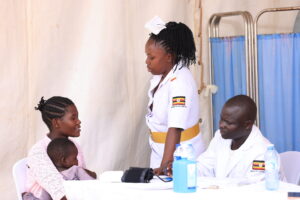
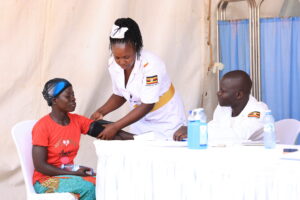
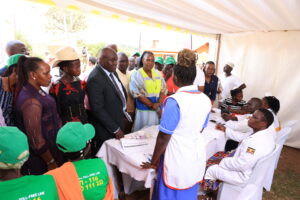
- Mobile health booths providing counselling and medical services such as HIV testing, family planning, Hepatitis B screening, malaria and TB testing, diabetes checks, and UTI treatment.
- Counselling and dialogue sessions offering safe spaces for discussions.
- Legal support and referrals to connect survivors with justice and professional care.
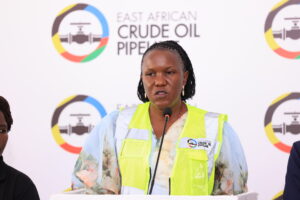
Speaking at the launch, Ms Rosie Birungi, Our Social Performance Manager, said: “This campaign is a strategic intervention to build safe, informed, and empowered communities, where respect, safety, and consent are non-negotiable.”
On behalf of the Ministry of Health, Dr. Ibrahim Bwaga, Director of Hoima Regional Hospital, reiterated government’s support and declared zero tolerance for GBV. He also announced that the Ministry will: Establish GBV response units in all hospitals by 2026, Integrate GBV awareness into maternal health services, and Train 5,000 health workers by the end of this year.
This initiative directly contributes to SDG 5 (Gender Equality) and SDG 3 (Good Health and Well-being) while supporting Uganda’s National Development Plan III (NDPIII) on health, safety, and human capital development.